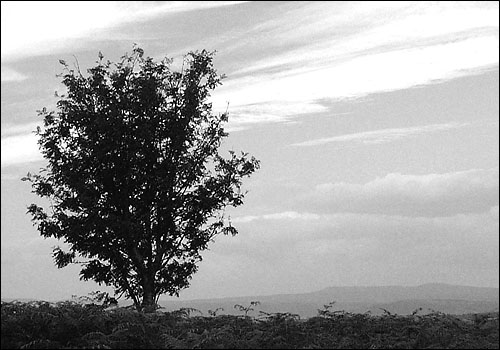
Grey-clouded autumn.
Silver threads of spider’s web
Hold crystal raindrops.
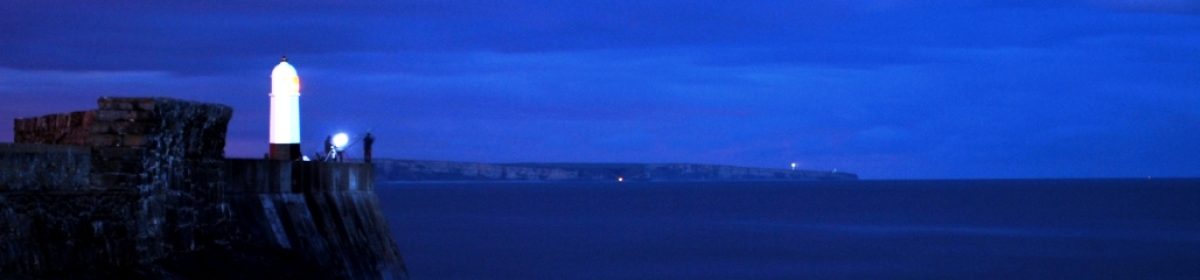
Grey-clouded autumn.
Silver threads of spider’s web
Hold crystal raindrops.
Anger that cannot be expressed in words of single syllables
Spoken with such venom as to frighten e’en the brave
Words, frustration-born and vicious, defamation in their wake
To punish those whose motives are only true and just
Speech that tolerates no mercy with honour cast aside
Respect a mere illusion the upright to deride
Assassinate the character of those who came to help
Creating phantom sickness to cover true intent
Wild accusations flying ‘gainst those who came to rescue
Whose only “crime” is caring, who saved you from yourself
A soap box, neatly positioned to spout specious arguments
Before so-called friends, while victims stay publicly silent,
Protecting the integrity of those dishonouring them
And of those who would suffer most
And why?
Perhaps a need to justify a conscience seared with sin
Perhaps because of jealousy barely hidden deep within
Perhaps because of knowing the ignored advice was wise
Perhaps because the innocent are unable to defend themselves
Brazen conduct masquerades as indignation
Against the protectors of future generations
A challenge thrown down to those who turn the other cheek
Be careful what you wish for, oh would-be assassin
You might just get it
And who will you hide behind, then?
Father and mother are definitions of physical facts
Daddy and Mammy are privileges that have to be earned
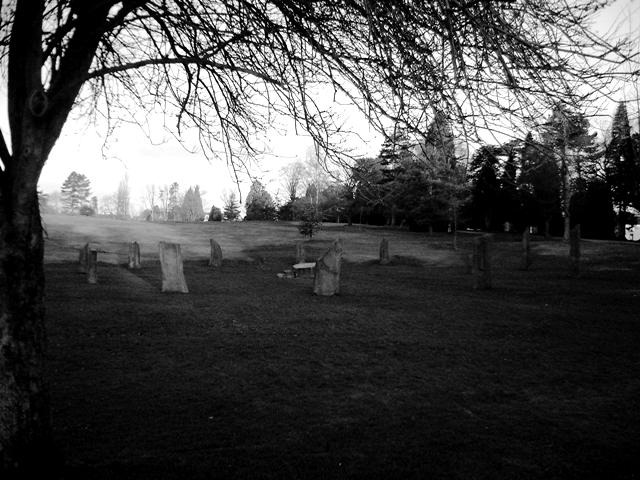
Morning time dawning
Warm mist the wrong time of year
Weather all messed up
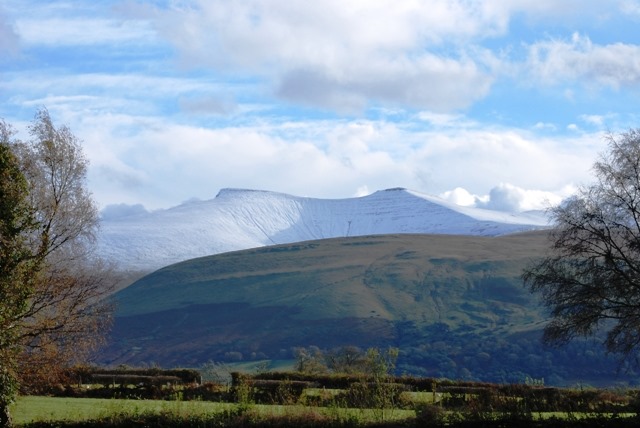
The weather is fine,
Even for this time of year.
May I go walking?
Too much to be done.
So stop procrastinating,
And on with my work.
This was Pen y Fan and Corn Du on 3rd November, 2012. So far, this year, there has been no sign of any snow, but the mountains still look beautiful.

